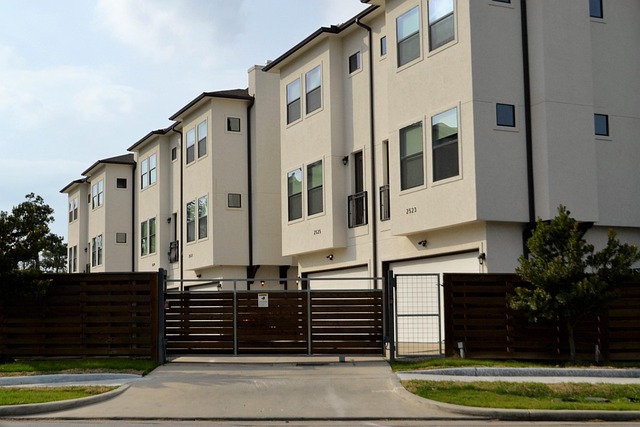
Rent growth, driven by market forces, economic trends, and demographics, has significantly impacted global cities over the past decade, with projected increases outpacing inflation. Homeowners face challenges from rising mortgage payments and housing costs in urban areas. Strategies to mitigate effects include strategic property optimization, refinancing, diversifying income streams, and staying informed through advanced data analytics for proactive decision-making. By adopting these measures, homeowners can navigate rent growth dynamics for long-term financial stability.
In today’s dynamic real estate landscape, understanding the intricate relationship between rent growth and homeowners’ costs is paramount for both residents and investors. As rental markets continue to evolve, swiftly ascending rents naturally impact the financial burden on homeowners, complicating their decisions regarding property retention versus sale. This article delves into the multifaceted dynamics at play, analyzing current data to illuminate these trends. By exploring how rent growth translates into broader economic implications, we equip readers with invaluable insights, fostering informed decision-making in this ever-shifting domain.
Understanding Rent Growth Dynamics Today

Rent growth dynamics today are characterized by a complex interplay of market forces, economic trends, and demographic shifts. Understanding these dynamics is crucial for homeowners seeking to navigate the ever-changing landscape of housing costs. Over the past decade, global cities have experienced significant rent growth, with some markets projecting increases of 1-3 times above inflation rates. For instance, in major metropolitan areas like New York City and San Francisco, rents have surged due to high demand from both residents and tech industry workers, leading to a scarcity of affordable housing options.
A key driver of current rent growth is the imbalance between supply and demand. In many urban centers, population growth outpaces new housing development, putting upward pressure on rental rates. Moreover, demographic changes, such as an aging population in some regions, reduce the pool of available renters, further intensifying competition and driving up costs. According to recent reports, areas with robust job markets and attractive lifestyles often see faster rent growth, reflecting a global trend towards urban living. This dynamic is expected to continue, with market projections suggesting continued strong rental market conditions in the near future.
To cope with these dynamics, homeowners must adopt strategic approaches. One practical advice is to stay informed about local rental markets, keeping an eye on trends and projections. Proactive planning can help individuals make informed decisions, whether it’s negotiating rent increases or considering alternative housing arrangements. Additionally, diversifying investment portfolios by exploring options like house-sharing or renting out spare rooms can mitigate the impact of rapid rent growth. By understanding these dynamics, homeowners can better navigate the challenges and opportunities presented by today’s evolving rental market.
Impact on Homeowners' Costs: A Detailed Look

Rent growth has profound implications for homeowners, significantly influencing their day-to-day costs and long-term financial strategies. As the rent growth market projections suggest, with rental rates increasing at a faster pace than household incomes in many regions, the burden on homeowners is becoming increasingly noticeable. This trend is particularly evident in urban areas where high demand for housing pushes up property values and rents. For instance, according to recent data, cities like New York and San Francisco have experienced some of the highest rent growth rates nationwide, with monthly rental increases outpacing wage growth by significant margins.
The direct impact on homeowners’ costs is twofold. Firstly, higher rents lead to increased mortgage payments, especially for those with variable-rate mortgages. This can strain household budgets, forcing them to allocate a larger portion of their income towards housing. Secondly, rapid rent growth often accompanies rising property taxes and maintenance costs. These additional expenses further burden homeowners, particularly those in areas with a high cost of living. To mitigate these effects, homeowners can consider strategies such as refinancing options that offer lower interest rates or exploring cost-saving measures like energy-efficient home improvements, which not only reduce utility bills but also enhance the property’s value.
Looking ahead to rent growth market projections, experts anticipate continued upward pressure on rental rates due to factors like urban population growth, low inventory, and rising construction costs. Homeowners must be proactive in adapting to this environment. Regularly reviewing financial plans, exploring investment opportunities that diversify their portfolio, and staying informed about local real estate trends can help them navigate these changes effectively. By understanding the impact of rent growth and implementing strategic decisions, homeowners can secure their financial well-being despite market fluctuations.
Data Analysis: Tracking Rent Growth Trends

Rent growth has become a critical factor influencing homeowners’ costs, with trends in the rent growth market projections indicating consistent upward pressure on housing expenses. To gain a comprehensive understanding of this dynamic, data analysis plays a pivotal role in tracking and interpreting these trends. By examining historical rent growth rates and comparing them to current figures, we can identify patterns that inform both investors and potential homebuyers. For instance, a recent study revealed that in major metropolitan areas, rents have risen an average of 4% annually over the past decade, with some cities experiencing spikes exceeding 7%.
Advanced data analytics tools enable us to delve deeper into these trends. We can segment analysis by geographic region, demographic profile of tenants, and property type to uncover nuances within the rent growth market projections. For example, urban centers tend to experience higher rent growth due to strong job markets and limited housing supply, whereas suburban areas may exhibit more stable or even declining rents as they become more attractive for families seeking affordability. This granular understanding allows homeowners and investors to make informed decisions about property acquisition, renovation, and rental strategies.
Moreover, data-driven insights into rent growth can help predict future market shifts. By monitoring key indicators such as unemployment rates, population growth, and housing inventory levels, experts can anticipate regions where rent growth may accelerate or decelerate. This predictive capability is invaluable for those navigating the real estate market, enabling them to capitalize on emerging trends or mitigate potential risks associated with rapidly changing rental dynamics. As the data analysis continues to evolve, so too will our ability to navigate this intricate dance between rent growth and homeowners’ costs.
Strategies for Homeowners in a Rising Market

In recent years, rent growth has been a significant factor influencing homeowners’ costs, with market projections indicating a continued upward trend in many regions. This surge in rent growth poses unique challenges for homeowners, who must navigate an increasingly dynamic real estate landscape. To mitigate the financial strain, homeowners in rising markets can employ strategic adaptations. One key approach is to reassess their property’s potential through renovations or additions, capitalizing on the current favorable conditions to enhance livability and potentially increase property values. For instance, investments in energy-efficient upgrades not only reduce utility bills but also attract tenants or buyers who prioritize sustainability.
Additionally, homeowners can leverage market dynamics by reviewing their mortgage terms and exploring options for refinancing at lower rates. With rent growth naturally impacting affordability, refinancing allows owners to secure more favorable loan conditions, alleviating a substantial portion of their monthly expenses. It’s crucial to stay informed about local market trends and consult with financial advisors who can guide through the complex process of refinancing, ensuring homeowners make informed decisions tailored to their circumstances.
Furthermore, diversifying income streams associated with the property can provide a buffer against rising rent costs. Homeowners may consider renting out additional spaces or converting part of their home for commercial use, depending on local regulations. Such strategies not only generate extra income but also offer a degree of financial security in a volatile market. By adapting to changing economic conditions and embracing innovative approaches, homeowners can navigate the challenges posed by rent growth, ensuring long-term stability and peace of mind.