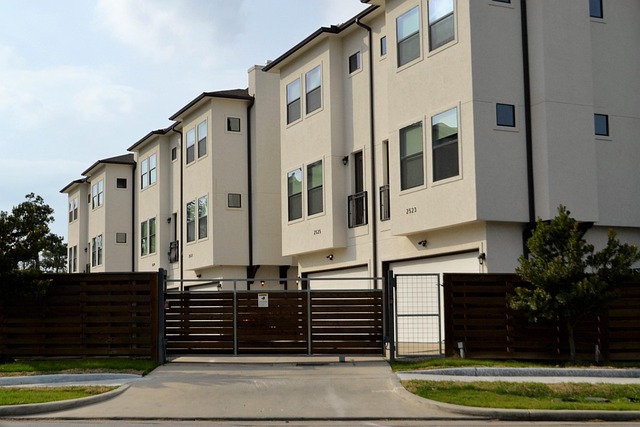
Rapid global rent growth challenges buyer affordability, especially in urban areas. Market projections forecast continued surge, affecting initial costs and financial strain for homebuyers. Experts advise monitoring local growth, considering alternative locations or investment opportunities with slower rates. Staying informed allows buyers to make calculated decisions, mitigating effects of accelerated rent growth naturally driving up costs in dynamic markets. Strategies include expanding search areas, flexible financing, timing purchases, and exploring diverse investment options.
In today’s dynamic real estate market, understanding the interplay between rent growth and buyer costs is paramount for both investors and aspiring homeowners. Rent growth naturally inflates living expenses, impacting affordability and shaping housing markets. However, navigating this relationship is complex due to varying regional trends, market fluctuations, and evolving consumer behaviors. This article delves into the intricate factors influencing rent growth and its cascading effects on buyer costs, providing valuable insights for stakeholders navigating the current landscape. By examining these dynamics, we aim to equip readers with a comprehensive framework for assessing and mitigating the financial implications of rent growth.
Understanding Rent Growth Dynamics in Today's Market

Rent growth dynamics have become a crucial factor influencing the housing market today. Understanding how rent growth affects buyers’ costs is essential for both prospective homeowners and investors. In recent years, rapid urbanisation and limited housing supply have led to significant rent growth in many cities worldwide. Market projections indicate that this trend is set to continue, with some regions anticipating increases of 1-3 times the national average over the next decade.
This phenomenon has profound implications for buyers. As rent continues to climb, potential homeowners may find themselves facing higher initial costs and increased financial strain. For instance, in metropolitan areas like New York or San Francisco, where rent growth has been particularly sharp, even well-afforded buyers can struggle to secure properties at competitive prices. Additionally, rising rents can delay the timeline for first-time homebuyers, as they may need to save for longer periods to match the escalating market values.
Experts recommend that buyers keep a close eye on local rent growth market projections and adjust their strategies accordingly. This might include considering alternative locations with more affordable rental markets or exploring investment opportunities in areas expected to experience slower rent growth. By staying informed about these dynamics, buyers can make more calculated decisions, ensuring they are not unduly burdened by the effects of accelerated rent growth.
Impact on Buyer Affordability: The Rising Costs

Rent growth has significantly impacted buyer affordability, with rising costs affecting various demographics across the globe. As market projections indicate a continued surge in rent growth, 1-3 times higher than historical averages in some regions, the strain on potential buyers becomes increasingly evident. This trend is particularly pronounced in urban areas where high population density drives up demand for housing, pushing rental rates to unprecedented levels.
For instance, in major metropolitan centers like New York City and San Francisco, median rent prices have soared to extraordinary heights, making it challenging for first-time homebuyers to enter the market. According to recent data, the median rent in these cities surpasses the average annual income of many young professionals, drastically reducing their purchasing power. This situation not only delays homeownership but also creates a significant financial burden on renters.
To navigate this challenging landscape, prospective buyers must explore alternative strategies. One practical approach is to consider locations outside the bustling urban centers where rent growth market projections may be more moderate. By expanding their search radius, individuals can discover neighborhoods with affordable rental options that offer a better long-term investment potential. Additionally, exploring shared housing arrangements or considering purchases in emerging markets with favorable rent growth prospects can provide relief from the rising costs, ultimately enhancing buyer affordability.
Market Factors Influencing Rental Price Trends

Rent growth naturally exerts a significant influence on buyer costs, particularly within dynamic real estate markets. Understanding the intricate web of market factors driving rental price trends is paramount for both investors and potential buyers. Key variables such as location, economic health, demographic shifts, and housing supply-demand imbalances play pivotal roles in shaping these trends. For instance, thriving urban centers like New York City or San Francisco often experience rapid rent growth due to high population densities and limited affordable housing options, contrasting suburban areas with more balanced markets.
Market projections indicate that the trajectory of rent growth naturally varies across regions, with some anticipating significant increases in metropolitan areas facing acute housing shortages. Demographic changes, including aging populations and migration patterns, further compound these dynamics. As younger generations, accustomed to renting, enter the market, competition intensifies, potentially leading to higher rental rates. Moreover, economic indicators like unemployment rates and income growth levels influence renters’ ability to absorb rising costs.
To navigate these shifting sands, buyers must stay apprised of local market conditions, leveraging data-driven insights to anticipate rent growth trends. Proactive strategies include diversifying investment portfolios across different geographic areas and property types, securing fixed-rate rentals to protect against unpredictable price spikes, and exploring buyer assistance programs tailored to high-cost markets. Staying informed about market projections allows buyers to make informed decisions, ensuring they remain competitive in a dynamic rental landscape.
Analyzing Historical Data: Rent Growth Patterns
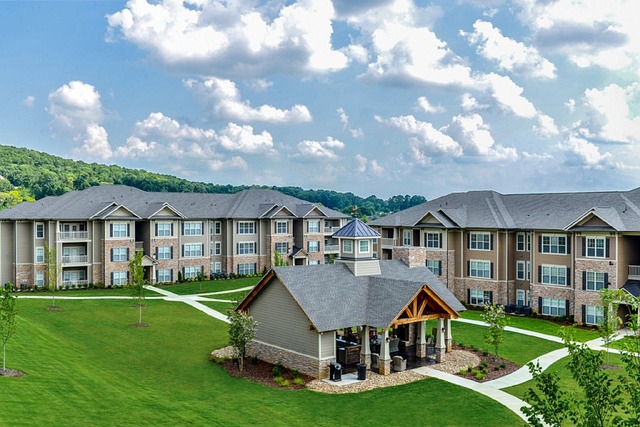
Rent growth, a critical factor shaping today’s real estate landscape, significantly influences buying costs for prospective homeowners. Analyzing historical data on rent growth patterns provides valuable insights into market trends and their potential impact on buyers. Over the past decade, many markets have experienced robust rent growth, outpacing wage increases in several instances. This dynamic has led to a shift in affordability, particularly in urban centers where population density drives up rental rates. For instance, according to recent reports, major metropolitan areas like New York City and San Francisco have witnessed consistent annual rent growth of 3-5%, far exceeding the national average.
Examining historical data also reveals cyclical patterns in rent growth. In some regions, periods of rapid expansion have been followed by market corrections, resulting in temporary but significant declines in rental prices. These fluctuations are often tied to economic cycles, demographic shifts, and policy changes. For example, during economic downturns, increased unemployment may lead to a decrease in demand for rentals, causing landlords to offer concessions to attract tenants. Conversely, strong economies and growing populations can fuel sustained rent growth market projections, as seen in many tech-driven cities where the demand for housing continues to rise.
Understanding these historical trends is crucial for buyers when assessing their potential financial burden. Prospective homeowners should consider not only current rent levels but also the trajectory of rent growth in their target markets. By factoring in historical data and rent growth market projections, buyers can make more informed decisions regarding their purchasing power and budget planning. This proactive approach ensures they are prepared for both stable and dynamic rental environments, ultimately facilitating a smoother transition into homeownership.
Effects on First-Time Buyers and Investors
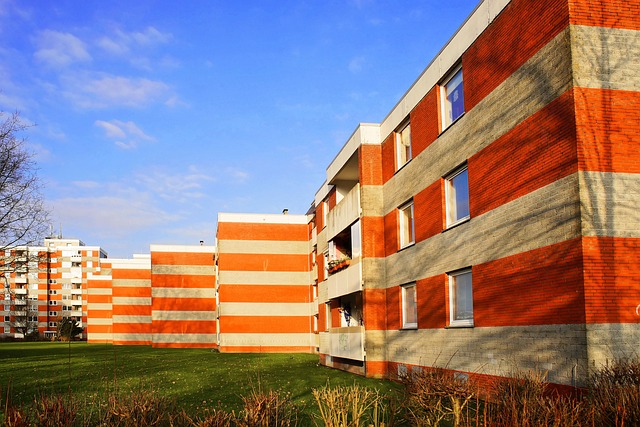
Rent growth has profound implications for first-time buyers and investors navigating today’s competitive real estate landscape. As rent growth naturally rises across many markets, it significantly influences the financial viability of purchasing a home. For first-time buyers, soaring rents can make saving for a down payment increasingly challenging, delaying their entry into the housing market. This trend is particularly pronounced in urban areas where rent growth market projections suggest a continuation of double-digit increases over the next decade.
Investors, too, face shifting dynamics. With rent growth naturally outpacing historical averages, property values are becoming less accessible for purchase, especially for those seeking to expand their portfolio. However, this environment also presents opportunities. Investors can capitalize on high rents by strategically refinancing existing properties or exploring avenues like house hacking, where renters become part of the investment income stream.
Practical insights for buyers include prioritizing regions with more favorable rent growth market projections, focusing on areas with strong employment prospects to ensure stable rental income, and considering creative financing options. For investors, diversifying beyond traditional single-family homes and exploring commercial or multi-unit properties could mitigate risks associated with concentrated exposure to high rent growth markets. Ultimately, staying informed about local dynamics and adapting strategies accordingly will be key to navigating these shifting sands successfully.
Strategies for Mitigating Cost Burdens in a Growing Rent Market

Rent growth naturally exerts a significant influence on buyers’ costs, particularly in dynamic real estate markets where market projections indicate an increase of 1-3 times over the next few years. This trend poses challenges for prospective homebuyers, who may find themselves competing with a growing pool of renters seeking limited housing stock. To mitigate these cost burdens, several strategic approaches can be employed.
One effective method is to expand one’s geographic search area. By looking beyond popular urban centers, where rent growth markets tend to be most pronounced, buyers can discover more affordable options in surrounding suburbs or less-demanded neighborhoods. For instance, a study by the National Multifamily Housing Council revealed that rents in secondary markets often rise at a slower pace than in metropolitan areas, offering potential savers significant advantages. Diversifying one’s search area not only opens up broader choices but also allows for more negotiation room with landlords or sellers.
Additionally, timing plays a crucial role in navigating a rent growth market. Buying during periods of relative calm, when market conditions are less competitive, can help secure more favorable terms. Many real estate experts suggest that waiting for seasonal dips in demand or taking advantage of post-pandemic market shifts could present opportunities to acquire properties at lower costs. For example, data from the U.S. Census Bureau indicates that while rents have been rising nationwide, certain regions experienced fluctuations due to changing economic landscapes, providing savvy buyers with moments of respite.
Lastly, exploring financing options tailored for high rent growth markets is essential. Flexible loan terms, adjustable-rate mortgages (ARMs), or government-backed programs designed to assist first-time homebuyers can make ownership more accessible during turbulent times. Lenders and financial advisors should be engaged early to understand these dynamic market conditions and their implications on long-term affordability.