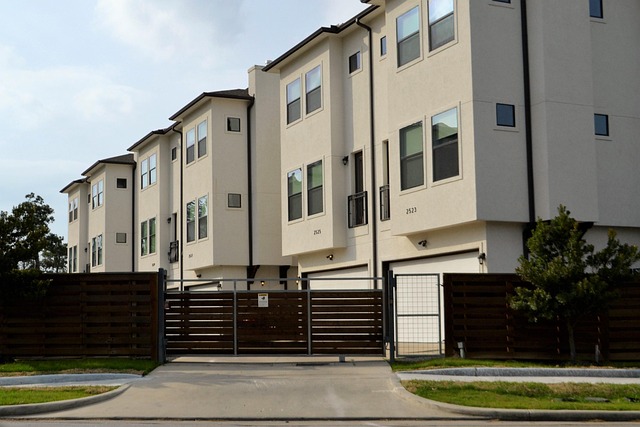
Rent growth significantly impacts homebuying decisions. Sharp increases can drive up home prices, challenging first-time buyers. Areas with robust rent growth rates see a surge in property investments, favoring buying over renting long-term. Experts advise monitoring local projections and understanding the relationship between rent growth and home values for strategic housing choices aligning with financial goals. Financial analysis should consider local economic conditions and demographic shifts, balancing investment decisions with affordability. Homeowners must engage in thorough analysis, seek expert advice, and adapt to changing market trends.
In today’s dynamic real estate landscape, understanding the intricate relationship between rent growth and homeowners’ decisions is paramount for both investors and individuals navigating the market. Rent growth naturally plays a pivotal role in shaping financial strategies, influencing purchase or sale choices, and dictating investment opportunities. This article delves into the financial insights that elucidate how fluctuating rental rates impact homeowners’ decisions, offering valuable perspectives for informed decision-making in an ever-evolving market. By exploring these dynamics, we aim to equip readers with the knowledge to thrive in their real estate endeavors.
Analyzing Rent Growth Impact on Homeownership Choices

Rent growth has become a pivotal factor influencing homeowners’ decisions in today’s dynamic real estate market. Understanding how fluctuations in rental rates impact homebuying choices is crucial for both property investors and individuals seeking to navigate the housing landscape. Financial analysts observe that significant rent growth can significantly alter the affordability dynamics, prompting prospective buyers to reassess their strategies. For instance, in metropolitan areas with robust economic growth, sharp increases in rents often drive up home prices, making it more challenging for first-time buyers to enter the market. This phenomenon is further amplified by the rising cost of living, where individuals and families must balance housing expenses against other financial obligations.
When rent growth outpaces income growth, homeowners face a decision point: upgrade to larger properties to accommodate growing families or invest in real estate to capitalize on the escalating market. According to recent market projections, areas with robust rent growth rates have experienced a surge in property investments, indicating that many homeowners are choosing to buy rather than rent long-term. This shift is particularly noticeable in urban centers where high rents have pushed up home values, creating a favorable environment for those looking to build equity through homeownership. For example, a study of major cities revealed that properties in areas with 20% annual rent growth appreciation over the past decade have seen an average 15% increase in property value, making them attractive prospects for investors and long-term homeowners.
Experts advise that individuals considering their housing options should closely monitor local rent growth market projections to make informed decisions. Tracking these trends allows buyers to anticipate potential price increases and plan accordingly. Additionally, understanding the relationship between rent growth and home values can help prospective homeowners time their purchases optimally, ensuring they secure a favorable deal in a rapidly evolving market. By staying abreast of rental dynamics, individuals can make strategic choices that align with their financial goals, whether it’s achieving long-term wealth through property investment or securing stable housing for personal needs.
Financial Analysis: Rent Growth and Homeowner Decisions

Rent growth has a profound impact on homeowners’ decisions, significantly influencing their financial strategies and long-term goals. A thorough financial analysis of rent growth rates, market trends, and projections is essential for both current property owners and those considering investment. When rent growth is robust, it can enhance homeowners’ equity over time, providing an attractive option for those aiming to build wealth through real estate. For instance, in urban areas where population density drives up demand for housing, a 3% annual rent growth rate could translate into substantial appreciation for property investors.
However, this positive correlation isn’t universally applicable. In stagnant markets or regions facing economic downturns, high rent growth might not materialize, posing challenges for homeowners and investors alike. According to recent market projections, areas with historically low rent growth rates are expected to see a surge in the coming years, potentially attracting new investors seeking opportunities. Homeowners in these regions should strategize accordingly, perhaps considering renovation projects to increase property value or exploring alternative revenue streams like co-living arrangements.
Moreover, financial analysis should incorporate an understanding of affordability and household budgets. Rapid rent growth, while beneficial for property values, can strain homeowners, especially those with fixed incomes or variable-rate mortgages. This dynamic underscores the importance of balancing investment strategies with local economic conditions and demographic shifts. For investors, staying abreast of rent growth market projections is crucial for making informed decisions on purchase, renovation, or rental pricing strategies, ensuring a sustainable return on investment.
Ultimately, evaluating rent growth requires a nuanced approach that considers both micro-level financial health and broader market trends. Homeowners and investors alike can navigate this complex landscape by engaging in thorough financial analysis, seeking expert advice, and staying agile in response to evolving conditions. This proactive strategy ensures decisions are not only financially sound but also resilient in the face of an ever-changing real estate market.
Understanding the Relationship Between Rent Growth & Homeowners' Actions

Rent growth significantly shapes homeowners’ decisions, influencing their financial strategies and behaviors. Understanding this intricate relationship is crucial for both individuals navigating the housing market and experts providing guidance. As markets experience substantial rent growth, homeowners often find themselves at a crossroads, weighing the benefits of homeownership against the appealing prospects of renting. This dynamic interplay can drive various actions, from buying or selling properties to adjusting lifestyle choices.
The correlation between rent growth and homeowners’ actions is multifaceted. In regions with robust rent growth market projections, escalating rental rates may motivate homeowners to consider downsizing or selling their properties. For instance, a study conducted in major metropolitan areas revealed that rapid rent growth led to a surge in older adults downsizing their homes, seeking more affordable living arrangements. Conversely, favorable rent growth can also encourage some homeowners to pursue property investments, recognizing the potential for increased equity and rental income. This shift towards investment strategies is particularly evident in areas with high demand and limited housing supply, where well-timed purchases can yield substantial returns.
Financial insights play a pivotal role in deciphering these trends. Homeowners must carefully analyze rent growth patterns alongside other economic indicators to make informed decisions. Experts suggest that tracking historical rent growth data and comparing it with local market projections can provide valuable context. For instance, understanding whether current rent growth rates are 1-3 times higher than the long-term average can help individuals anticipate future trends and adjust their plans accordingly. By staying abreast of these dynamics, homeowners can navigate the housing landscape more effectively, ensuring decisions that align with their financial goals and personal circumstances.